Entry · Ref C3_ECCQU
Mastering Cannabis Baked Goods: Tips for Flavor, Dosage, and Safety
- Posted
- 2026-10-11
- Last amended
- 2026-10-11
- Account
- @cannabisbakedgoodsspark
Getting the Most Out of Cannabis Baked Goods
I remember my first attempt at making cannabis butter. I was in a tiny kitchen in Colorado, reading a blog post that swore by a slow simmer. I followed it to the letter, but the brownies I made that night had almost no effect. My friends were polite, but I could tell they were disappointed. That failure taught me more than a dozen successes ever could: making cannabis baked goods is as much about chemistry and patience as it is about creativity.
Over the years, I have come to appreciate how much nuance goes into a well-made edible. Whether you are buying from a shop like Kush Station or experimenting at home, understanding the basics of infusion and dosage will save you from the two most common problems: weak results or an uncomfortably intense experience. This article covers the practical side of cannabis baked goods, with an emphasis on what works and what does not.
The Science Behind Infusion
The key compound in cannabis that produces psychoactive effects is THC. But THC in its raw plant form is not water soluble and does not readily bind to fats. That is where decarboxylation comes in. When you heat cannabis over a period of time, the acidic form of THC converts into a form that can bind with fats like butter or coconut oil. Without proper decarboxylation, your infusion will be weak, and your baked goods will taste grassy rather than pleasant.
I have found that a low, steady temperature between 220 and 240 degrees Fahrenheit for about 45 minutes works best for decarboxylation. Going higher can degrade the cannabinoids, including CBD, which is also present in many strains. CBD does not produce the same high as THC, but it can contribute to a more balanced, relaxed feeling in edibles. Many people prefer a ratio of roughly two parts THC to one part CBD for a calm but noticeable effect.
The infusion process itself is straightforward. You combine your decarboxylated cannabis with a fat source, usually butter or oil, and heat it gently for a couple of hours. The fat acts as a solvent, pulling the active compounds out of the plant material. Straining out the plant matter leaves you with a clean infusion. I have made many batches of cannabis butter this way, and the difference between a rushed 30-minute steep and a proper two-hour steep is night and day.
Finding the Right Edible Dosage
One of the most common mistakes beginners make is assuming that a single brownie or cookie will produce the same effect every time. In reality, edible dosage depends on the potency of the starting material, the efficiency of your infusion, and your own tolerance. A good rule of thumb is to start with a dose of 5 to 10 milligrams of THC for someone new to edibles. For regular users, 15 to 25 milligrams might be more appropriate.
I have seen people eat a whole cannabis brownie made with high-THC butter and then spend the next few hours regretting it. The effects can last six to eight hours, and the onset time is slow. You might not feel anything for 30 to 90 minutes, and then it hits all at once. That delay is why microdosing has become so popular. With microdosing, you take a small amount, typically 2.5 to 5 milligrams, and wait at least two hours before deciding whether you want more. This approach gives you control and reduces the chance of overdoing it.
When I make cookies at home, I calculate the total THC content of my cannabis butter and divide by the number of cookies. If the butter contains 500 milligrams of THC and I make 20 cookies, each cookie has about 25 milligrams. That is a strong dose for most people. I often cut the cookies in half or even quarters to offer more flexibility. Labeling the strength on each batch is a habit I picked up from legal cannabis producers in California, and it has saved me and my friends from many bad nights.
Choosing Between Homemade and Store-Bought
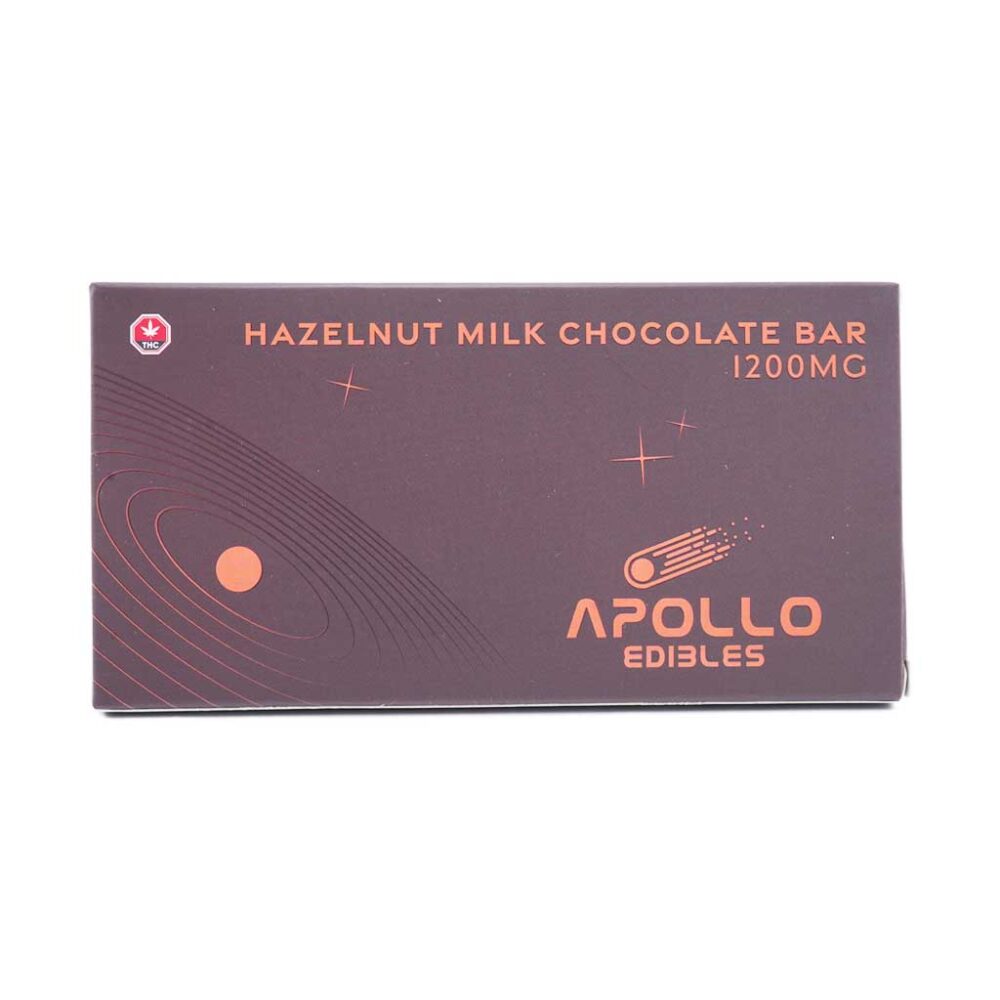
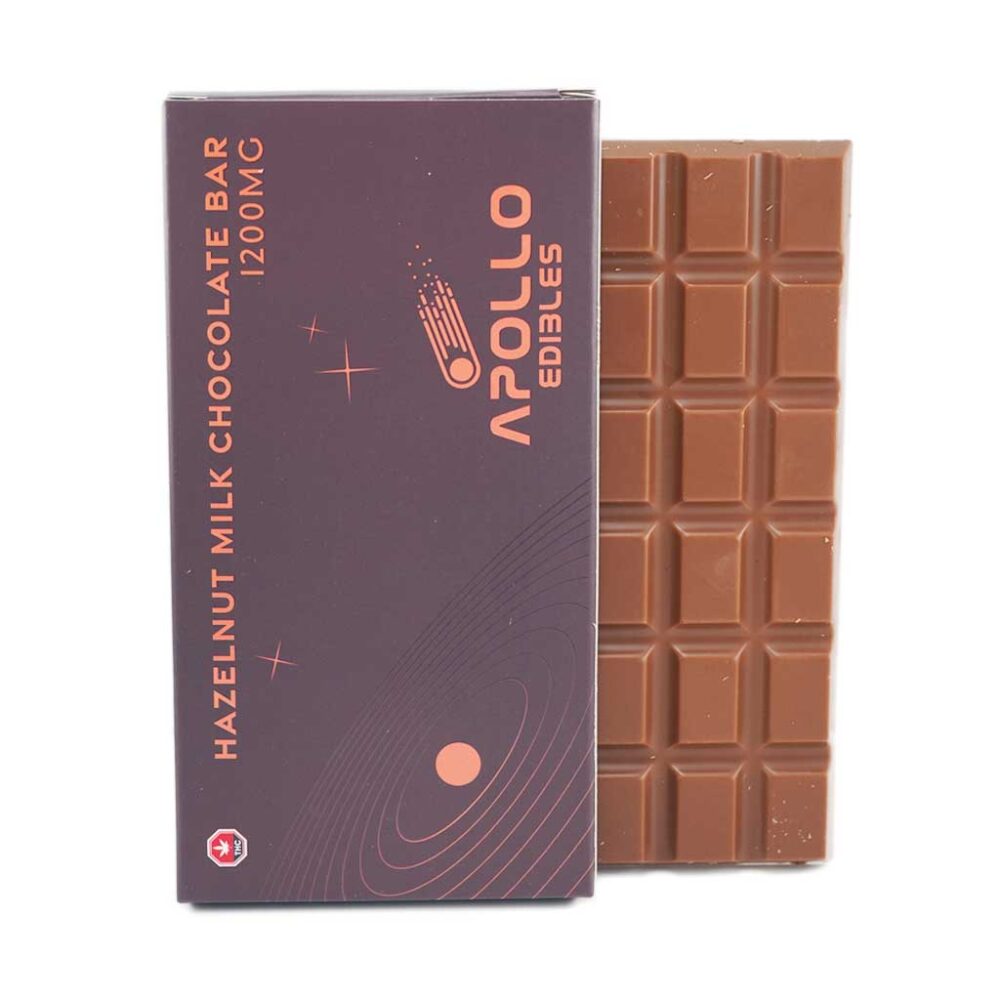
There is a lot to be said for buying from a reputable seller. Companies like Kush Station offer a wide range of products, including cannabis chocolates, cannabis gummies, and dried fruits, all with detailed information on potency and ingredients. If you are new to edibles, starting with a store-bought product like a Stoney Patch gummy or a Kiva chocolate bar can give you a reliable baseline. These products are tested for consistency, so you know exactly how much THC and CBD you are getting in each piece.
That said, making your own cannabis baked goods is deeply satisfying and allows you to control the flavor and strength. Homemade brownies or cookies taste better to me than most commercial ones, and I can adjust the recipe to my liking. The trade-off is that you have to invest time in learning the infusion process and accept some trial and error. I still keep a few store-bought cannabis chocolates in my pantry for days when I do not have the energy to bake.
One thing I have noticed is that many people underestimate the importance of texture in edibles. A dry, crumbly cookie can be unpleasant, even if the dosage is perfect. Cannabis butter tends to make baked goods denser, so I sometimes add a little extra liquid or use a recipe that calls for oil instead of butter. Tincture is another option for those who want to avoid the added fat. A few drops of a high-proof tincture can be added to any recipe, though the alcohol taste might come through if you use too much.
Regional Differences in Legal Cannabis
Living in Colorado for a few years gave me a front-row seat to the evolution of legal cannabis. The market there is mature, with dozens of brands and product types. California, on the other hand, has a more fragmented landscape, but the quality of artisanal edibles is high. Both states have strict testing and labeling requirements, which means that when you buy a brownie or a gummy from a licensed shop, you can trust the numbers on the package. That is not always the case in states with less regulation.
I have also visited dispensaries in Canada, where cannabis is legal at the federal level. The consistency there is impressive. Products like Stoney Patch gummies and Kiva chocolates are available in both countries, and they are popular for a reason. They taste good, the dosage is reliable, and the onset time is predictable. If you are in a region where legal cannabis is available, take advantage of the testing and quality control that comes with it.
Practical Tips for Making Your Own
If you decide to make your own cannabis baked goods, here are a few things I have learned through trial and error:
- Always decarboxylate your cannabis before infusing. Skip this step, and your butter will be weak.
- Use a kitchen scale to weigh your cannabis and your finished product. This makes calculating edible dosage much easier.
- Store your cannabis butter in the fridge and use it within two weeks for the best flavor. Freeze it for longer storage.
- Start with a simple recipe, like a basic brownie or cookie, before moving on to more complex baked goods.
- Label everything with the date and estimated potency. I write the milligrams of THC per serving on the container.
These steps might seem like overkill, but they save you from the frustration of a failed batch. I have thrown away more than one batch of cookies because I forgot to label them and could not remember the strength. Consistency is the name of the game when it comes to cannabis baked goods.
Balancing Flavor and Effect
One of the biggest challenges with cannabis baked goods is masking the herbal taste of the infusion. Good quality cannabis butter should have a mild, nutty flavor, but if you use too much plant material or overheat it, the result can be bitter. I have found that adding a little extra vanilla extract or cinnamon helps cover any off notes without overpowering the recipe. Chocolate is another great cover. Cannabis brownies with dark cocoa powder are almost indistinguishable from regular ones.
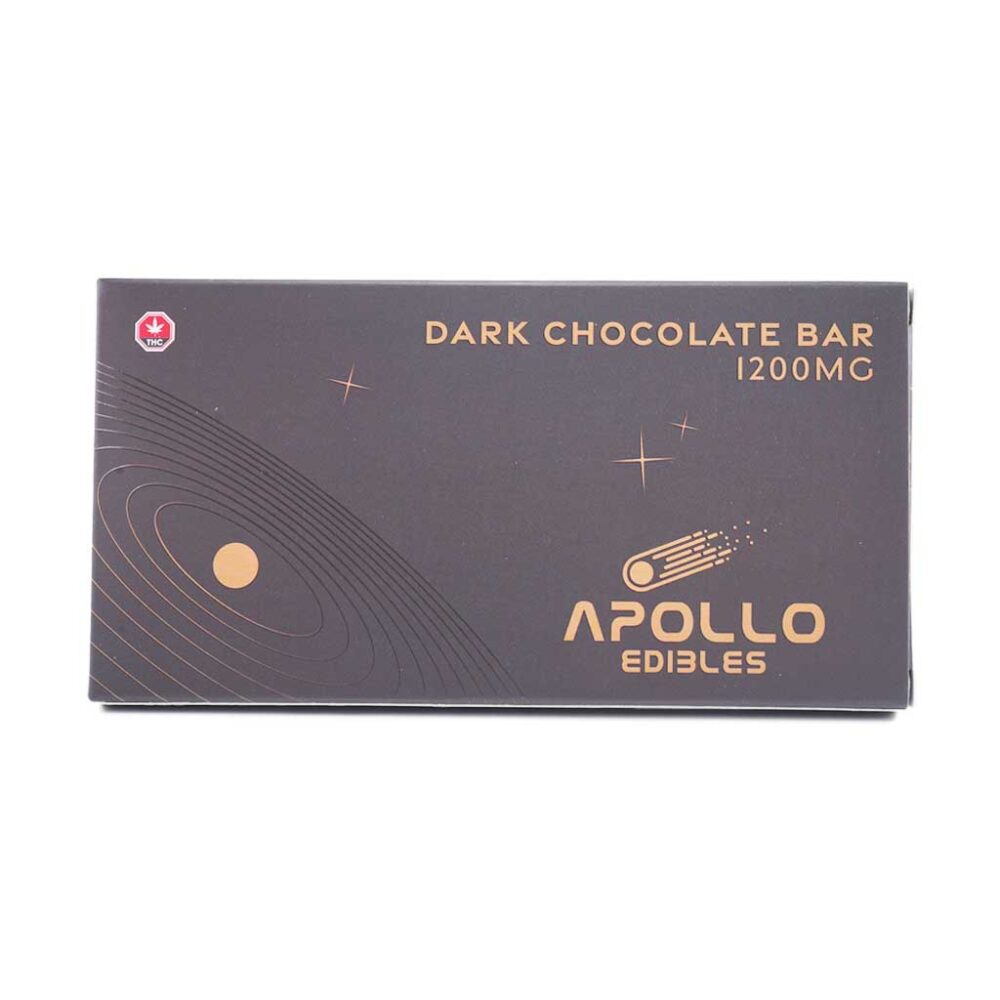
Another trick is to use a tincture instead of butter for recipes where you want a cleaner taste. Tincture evaporates during baking, leaving behind the active compounds without the plant flavor. The downside is that tincture can be more expensive and harder to find in some regions. If you buy from a shop like Kush Station, you can also find pre-made cannabis chocolates and gummies that are already flavored and dosed, which takes the guesswork out of the equation.
I have also experimented with adding CBD isolate to my baked goods to create a more balanced effect. A brownie with a 1:1 ratio of THC to CBD tends to produce a calmer, less anxious high. Some people prefer that approach, especially if they are using edibles for relaxation rather than recreation. The key is to know your own response and adjust accordingly.
Final Thoughts
Cannabis baked goods are not just a novelty. They are a legitimate way to consume cannabis that offers a long-lasting, predictable experience when done right. The difference between a good edible and a bad one often comes down to the quality of the infusion and the accuracy of the dosage. Whether you buy from a trusted source like Kush Station or make your own at home, taking the time to understand the basics will make every batch better.
For me, the process has become a hobby. There is something satisfying about pulling a tray of perfectly dosed cookies out of the oven and knowing exactly what went into them. And when I want something quick, I grab a cannabis chocolate from the pantry. Either way, the goal is the same: a safe, enjoyable experience that fits your lifestyle.